
Crimson Desert Gambling Guide: How to Win at Duo & Card Games (2026)
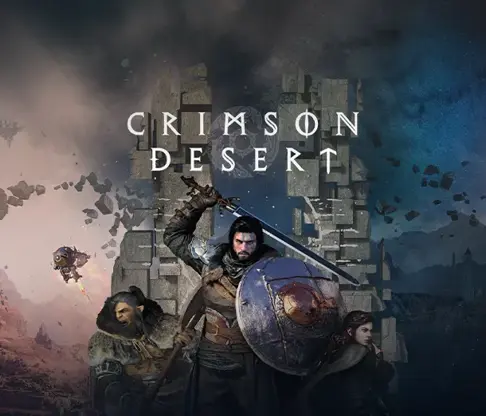
A good Crimson Desert gambling guide usually becomes necessary right after your first mistake. You sit down at a tavern table expecting a quick distraction, maybe a few easy rounds and some spare silver. Instead, a couple of bad calls later, your coins are gone, the NPC across from you is playing far more aggressively than expected, and the game suddenly feels like it knows something you don’t.
That is usually the moment it clicks. This is not a throwaway mini-game.
Crimson Desert is built as an open-world action RPG, but once you reach the taverns, the card tables introduce a different kind of pressure. These games are tied to quests, rewards, and mechanics that are not fully explained, which is why players who ignore them tend to lose more than they should.
More Than a Tavern Distraction
After a few rounds at the tavern table, it makes sense why Crimson Desert gambling has started getting so much attention. Once you start interacting with the tavern mini-games, it becomes clear this is not some throwaway side activity added for flavour. Between quest requirements, silver rewards, and mechanics the game does not fully explain, the card tables end up becoming something you need to read properly, rather than click through on instinct.
At first, Duo looks familiar. It gives off the shape of a simplified card game, something you can probably bluff your way through with a little luck. That feeling does not last. After a few rounds, you start to notice that NPC behaviour matters, table dynamics matter, and the game has its own rhythm. If you treat it like a mindless chance system, you will lose silver far faster than you expect.
How Gambling Works at Tavern Tables in Crimson Desert
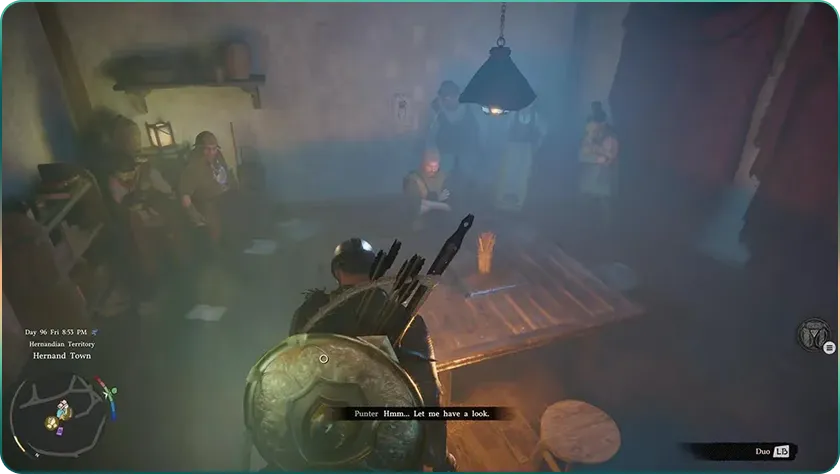
If you are trying to understand Crimson Desert poker, the first thing to know is that most of this action happens in taverns, where you can buy into a game and start betting from a shared pool. Every round begins with an ante, and after that, the decisions start coming quickly.
When it’s your turn, you can:
- Fold: Drop out of the round and lose what you’ve already committed
- Check: Pass without betting (only if no one else has raised)
- Call: Match another player’s bet to stay in
- Bet: Increase the pot and force others to respond
Betting itself has a few variations:
- Raise: A strong, aggressive bet
- Half-pot: A controlled increase based on the current pot
- All-in: Commit everything you have left
This is the part that makes the system feel comfortable at first. The structure is easy enough to recognise. What catches players out is that the game behaves very differently once the round gets moving.
Duo Looks Simple Until You Play It
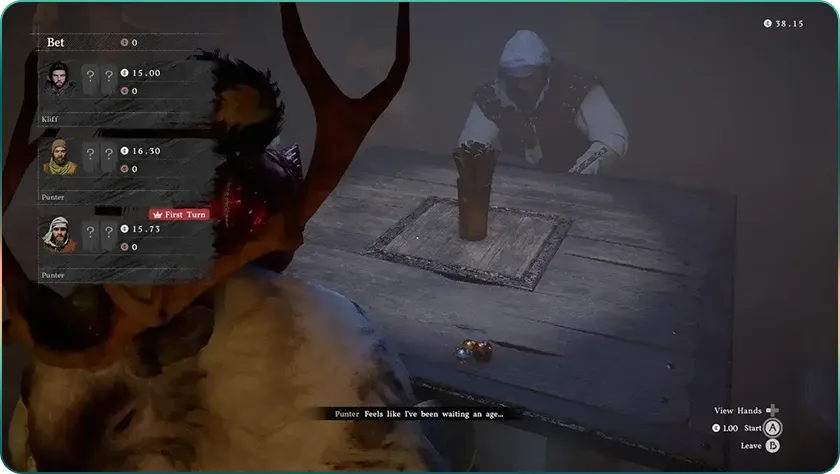
A lot of confusion starts with the Crimson Desert duo, because players see a five-card game and assume they already understand the logic. On paper, the goal is simple enough. Build the best hand at the table and beat the other players. You can check your combinations mid-round, and until the rankings become second nature, you should be doing that constantly.
The problem is that raw hand strength is not the whole story. The people around the table matter just as much. Some NPCs fold quickly, some push hard with suspicious confidence, and some are clearly there to make the table more dangerous than it first appears. This is where the game begins to stop feeling casual and starts asking you to pay attention.
A proper Crimson Desert duo guide has to start with what the game does not explain very well. There are patterns in the way rounds develop, but the game leaves you to notice them on your own. That is why so many players lose early and only start improving once they stop playing reactively.
Certain hands seem to perform better than you would expect. Some tables feel easier once one or two opponents are gone. Strong combinations do not always produce strong payouts, because NPCs often fold once they sense trouble. That can feel irritating in the moment, but it is part of the balance. The game is not built to reward reckless confidence. It rewards timing.
Another thing that matters is table patience. A lot of players overplay their early rounds because they assume every decent hand deserves pressure. Often it does not. Sometimes the smartest move is to let the round breathe, watch how the others behave, and wait for the table to thin itself out.
Hidden Mechanics, Cheating, and Quest Triggers
This is also the point where Crimson Desert duo cheating becomes impossible to ignore. The short version is yes, the AI can cheat, and no, it does not seem to be accidental. This appears to be part of the design rather than a broken system. Cheating, with its risks and rewards, has always been part of card culture, so its presence here feels less like a glitch and more like a deliberate choice.
That matters because once a cheater is exposed, they are removed from the table. Suddenly, the number of opponents drops, the pressure shifts, and your odds improve without you having to force the issue. It is one of the most important moving parts in the whole mini-game. If you do not understand that the table can change in your favour this way, you are likely to make bad bets too early and bleed silver for no good reason.
It also explains why some rounds feel stacked against you. The game is not trying to simulate a clean probability model. It is trying to create tension. That is a very different thing.
This is one of the few parts of the system that causes confusion almost immediately. The objective sounds simple, but the trigger is not always as neat as you would expect. In most cases, the safest route is still the same: win a hand, then leave the table.
What throws players off is that the quest does not always register cleanly. Some people report progress after one win. Others seem to need a little more movement before the game catches up. There are also cases where nothing happens until you step away and come back later.
If you want the least painful route, secure a win and get up. Do not linger at the table out of confidence. That usually turns a clean quest step into an unnecessary loss.
Playing the Table, Not Just the Hand
If you want a real duo Crimson Desert strategy, the first thing to learn is when not to be brave. Aggression has value, but only when the table has already narrowed. Once a few opponents are gone, strong hands become worth pushing because there are simply fewer ways for the round to turn against you.
The opposite is also true. If multiple NPCs are raising and your hand is only average, folding is often the smartest thing you can do. A lot of losses come from players staying in hands that are not worth defending. The game does not reward stubbornness.
Patience matters more than players expect. Early rounds are often about observation as much as betting. Let the table play. NPCs sometimes remove themselves by folding, and sometimes they get caught cheating. Either way, fewer bodies at the table generally means better odds for you later. That is when the game starts to loosen.
Where It Fits into Your Progress
You can make money from tavern play, but it is not steady enough to treat as a long-term plan. The card games work best as a useful side activity, especially early on or when tied to a quest. If you catch a good run, you can leave the table with a decent profit. If you hit a bad stretch, the losses stack up quickly.
That is why the best use of gambling in Crimson Desert is situational. Use it when it serves your progress, not when you are trying to force income out of a system that clearly was not designed to be a reliable farming route. Compared with structured questing or combat-focused silver farming, the tables are far less predictable.
That broader interest around the game has been clear for a while now, with reports that Sony even explored making Crimson Desert a timed PlayStation exclusive, which says plenty about how much attention the project has attracted beyond its smaller side systems.
These tavern games still sit in an odd but interesting place. They are too involved to dismiss as filler, but too inconsistent to treat like a core system you can lean on for steady progress. If you approach the table carelessly, it can feel irritating fast. If you slow down, watch how the rounds develop, and treat each decision as part of a pattern rather than a guess, the whole thing starts to make more sense. That is really the difference. One player walks away convinced the game is unfair. Another starts to see where the pressure points are and how to use them.
If you enjoyed this, take a look through our casino blog hub for more.
FAQ
How Many Chapters Are in Crimson Desert?
Pearl Abyss has not published an official chapter count on the game’s main site or FAQ pages that I could verify. The safer answer is that Crimson Desert follows Kliff’s story across the continent of Pywel, but an exact number of chapters has not been confirmed publicly.
What Time Does Crimson Desert Release?
Crimson Desert launched on March 19, 2026, and Pearl Abyss published a separate global release-time notice with region-specific launch times and a 48-hour pre-load window on supported platforms.
How Do You Play Duo in Crimson Desert?
Duo is played at tavern tables, where you buy in, pay the ante, and choose actions like fold, check, call, bet, raise, half-pot, or all-in. The goal is to build the strongest five-card hand, but success also depends on timing, NPC behaviour, and knowing when the table is turning in your favour.
What Is Crimson Desert?
Crimson Desert is an open-world action adventure from Pearl Abyss, set on the war-torn continent of Pywel. The game follows Kliff and the Greymanes and combines story-driven exploration, combat, and world activities.
Is Crimson Desert Multiplayer?
Crimson Desert is primarily presented today as a single-player open-world action adventure. Pearl Abyss’s current official site and launch materials frame it that way. Older Pearl Abyss material from several years ago described the project as combining narrative-driven single-player elements with online multiplayer functionality, but that is not how the current official positioning reads, so the safest answer for readers now is that it is being presented as a single-player game.





Review this Blog
Leave a Comment
User Comments
comments for Crimson Desert Gambling Guide: How to Win at Duo & Card Games (2026)