
Pennsylvania Gaming Control Board Launches Youth Gambling Awareness Campaign


HARRISBURG, Pa. – The Pennsylvania Gaming Control Board has launched a new campaign aimed at raising awareness of gambling risks among young people.
 LISTEN TO THIS ARTICLE:
The initiative could affect families, schools and operators as regulators respond to growing concern over underage betting and easy access to unregulated sites.
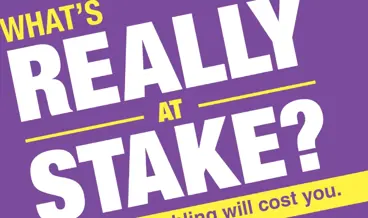
The campaign, called “What’s Really at Stake”, arrives during Problem Gambling Awareness Month in March and just as the NCAA Men’s Basketball Championship begins, a period when sports wagering receives intense public attention. The effort includes social media outreach, online advertising, a dedicated website at WhatsReallyatStake.com, and downloadable materials for educators, counselors and community groups.
Related: Florida Gaming Control Commission Promotes Playwise During Problem Gambling Awareness Month
Campaign Launch Tied to Growing Concern
Pennsylvania regulators say the goal is simple: reach young people before gambling behaviors become normalized or harmful. The Board’s materials are available free of charge and are intended not just for students, but also for parents, teachers and other adults who may spot warning signs early.
PGCB Executive Director Kevin O’Toole said public protection remains the agency’s core responsibility, and that mission extends beyond enforcing legal gambling rules for adults.
“The legalized gambling the PGCB regulates, and in particular online gambling, is intended for those 21 years and older”, O’Toole said. He added that while licensed operators in Pennsylvania have systems designed to block underage users, illegal and unregulated platforms often do not.
That gap, regulators say, is making it easier for younger people to encounter gambling without basic safeguards.
The Numbers Behind the Concern
The campaign is backed by data from several studies showing how widespread gambling exposure has become among young people.
According to figures cited by the Board, 75% of U.S. college students gambled in the past year, whether legally or illegally, and 18% said they gambled weekly or more often. Another study found that 58% of 18- to 22-year-olds had engaged in sports betting, with 6% reporting losses of more than $500 in a single day.
The numbers become even more concerning at younger ages. The Board cited research showing that 33.7% of youth under 18 gambled over a one-year period, while more than one in three boys aged 11 to 17 reported gambling during the past year.
For colleges and schools, the problem may still be under-recognized. Only 22% of U.S. colleges and universities reportedly have formal gambling policies in place.
More Responsible Gambling

 Responsible Gambling
Gambling Disorder Screening Day 2026 Promotes Early Detection of Addiction
Mar 10, 2026 Responsible Gambling
Michigan Gaming Control Board Expands “Don’t Regret the Bet” Campaign
Mar 04, 2026Helpline Calls Point to a Real Shift
The Council on Compulsive Gambling of Pennsylvania says the issue is no longer theoretical. Josh Ercole, the organization’s executive director, said calls to the 1-800-GAMBLER helpline involving young people in Pennsylvania have increased in recent years.
“In recent years, calls to the helpline regarding young individuals in Pennsylvania have increased”, Ercole said. “With so much access and availability, especially in unregulated forms of gambling, it is critical to have open discussions about risks and potential harms.”
He also warned that what may look harmless at first can turn into more serious problems later.
“It is also important to understand that while underage individuals playing games like these may seem innocent, early exposure and participation can lead to future problems”, Ercole said.
Support for Parents and Educators
The new campaign is part of a broader push to equip adults with practical tools. In addition to the campaign website, help and information are also available at ResponsiblePlay.pa.gov. Regulators said this rollout follows a recent announcement of more resources for parents and educators through materials developed by the Pennsylvania Department of Drug and Alcohol Programs and hosted on the Pennsylvania Department of Education’s Standards Aligned System website.
The timing is deliberate. March is packed with sports betting ads, bracket contests and nonstop basketball coverage. For many young people, it can feel less like a gambling environment and more like ordinary entertainment.
That is exactly why Pennsylvania officials say the conversation needs to start earlier. The Board’s message is not just about rules. It is about helping young people understand the risks before gambling becomes part of everyday life.
RELATED TOPICS: Responsible Gambling





Review this New Post
Leave a Comment
User Comments
Comments for Pennsylvania Gaming Control Board Launches Youth Gambling Awareness Campaign