

Bonus up to 112,000 GC + 75 Free SC
*18+ T&Cs apply to each offer. Click "Claim Your Offer" for more information.
Rolling the Dice in Hip-Hop: Rap, Casinos and Power – Part 1
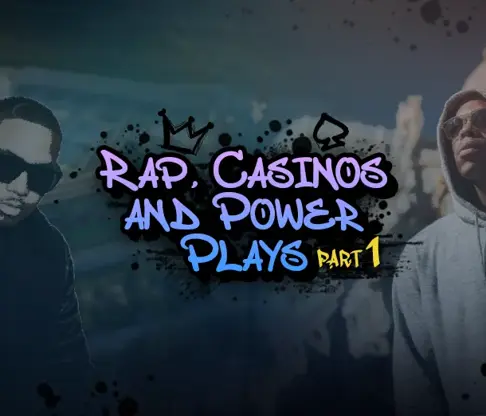
As Nas bests Jay-Z in their respective plights for New York casinos, this is the story of how rappers have often flirted with the business, glitz and glamour of America’s top gambling spots.
In New York, two rap legends have found themselves on opposite sides of a new kind of battle. Jay-Z’s high-profile bid to plant a Caesars-branded casino in the heart of Times Square has collapsed, rejected by the city’s Community Advisory Committee after months of lobbying. Across the borough line, Nas has scored a unanimous approval vote for an expansion of Resorts World in Queens, a project promising thousands of jobs and a gleaming entertainment complex in the rapper’s home turf.
For anyone who remembers the late-1990s feud between the two rap legends, this story is a welcome (albeit rather more financial-minded) nostalgia trip. Back then, Nas and Jay-Z were locked in hip-hop’s most famous lyrical war, trading venom on their respective diss tracks “Ether” and “The Takeover” in their fight for the symbolic crown of New York City. The beef cooled years ago, with both artists publicly reconciling and occasionally appearing together. But this moment – one man’s setback, another’s victory – reads like an unlikely post-script to that rivalry, replayed not on wax but in zoning hearings and casino floor plans.
More than just a story about development licences and real estate, this news is a window into hip-hop’s enduring fascination with the casino: the roll of dice as metaphor for hustle, the high-roller suite as shorthand for status, the very idea of gambling as a reflection of risk and reward at the heart of the culture. Where once rap artists invoked Vegas in lyrics and visuals, they now seek ownership of the house itself.
Here we cast our eye over the story of that evolution: from the symbolic allure of casinos in hip-hop, to the business mechanics of celebrity-backed gaming, to the cultural tensions that arise when the music of the streets enters the world of billion-dollar gambling ventures. The stakes, like the jackpots, are high.
The Casino as Symbol: Hip-Hop and Gambling Culture
From the earliest days of recorded rap, the imagery of casinos has been stitched into the genre’s fabric. The flashing lights of Las Vegas, the turn of a roulette wheel and the quiet tension of a poker table have all served as metaphors for risk, ambition and the pursuit of transformation. Hip-hop, after all, has always been a culture of hustlers: betting everything on a dream, doubling down on talent, or risking it all for the chance of being top dog. The casino is the perfect stage set for such narratives.
In rap, the casino is shorthand for both danger and reward. Jay-Z’s “Can I Live” and “Allure” referenced gambling as part of his hustler’s ethos, rapping: “Viva, Las Vegas, see ya later at the crap table; Meet me by the one that starts a G up; This way no fraud Willies present gam-b-ling, they re-up”. Nas, too, has used dice and card games as recurring motifs, rapping in 1999 about being “at the Mirage, Vegas strip, neon lights. Gamblers puffin’ cigars, couples and stars”. More recently, artists like Meek Mill and Rick Ross have rapped about high-stakes tables.
Drake has made global headlines for his very public gambling on online casinos and sports betting platforms. What began as lyrical bravado and casual play has evolved into brand alignment and sustained public scrutiny. His partnerships with major betting operators and the regular display of high-stakes wagers have amplified his visibility in the space, but they have also exposed structural tensions behind the spectacle. In 2025, the rapper ended his $100 million partnership with Stake following disputes over withdrawals, a reminder that even celebrity gamblers can run up against the practical limits and frictions of gambling platforms.
The visuals tell the same story. Music videos from Biggie’s “Mo Money Mo Problems” to Cardi B’s “Money” have leaned on casino aesthetics – spinning wheels, neon lights, stacks of chips – to signal opulence. Strip clubs, often physically attached to land-based casinos, have also maintained a constant presence in hip-hop culture, tying the nightlife economy of gambling directly to rap’s own ecosystem of performance, money and spectacle. Fashion, too, has borrowed from the casino lexicon: custom poker-chip chains, dice motifs on luxury sneakers, and even Vegas residencies marketed as “jackpot wins” for artists.
Why does this imagery resonate so deeply? Partly because casinos represent the same blend of risk and reward that defines the rap dream: a young artist gambles everything – time, credibility, safety – in hopes of a life-changing payoff. The casino becomes an allegory for ambition, where one lucky hand can shift a person’s fortunes forever.
But where symbolism once sufficed, ownership now beckons. If rapping about the casino was once the height of aspiration, buying into one is the ultimate expression of it. From Jay-Z’s attempt to bring Caesars Palace glamour to Times Square, to Nas’s successful bid to shape Queens’ gaming landscape, hip-hop is moving from referencing the tables to running them. The stakes have never been more literal.
Jay-Z’s Times Square Bid vs. Nas’s Queens Victory
When New York announced its plan to license three new downstate casinos, Jay-Z moved quickly to position himself as a frontrunner. Through Roc Nation, he aligned with Caesars Entertainment and real estate giant SL Green to propose a glittering Caesars Palace-branded casino in the heart of Times Square, outlining his New York casino bid as a community-anchored development rather than a standalone gambling venue.
The pitch leaned heavily on cultural cachet: Jigga framed the project as more than a gambling hall, describing it as a community anchor that would bring jobs, tourism and an inclusive vision of nightlife to the already tourist-heavy area. He promised local hiring initiatives, support for minority-owned businesses, and even outreach to local theatre workers to calm concerns.
But opposition gathered quickly. The Broadway League, which represents theatres and producers, warned that a casino could swamp the area with congestion and shift attention away from the city’s cultural institutions. Local neighbourhood groups echoed concerns about traffic, policing and the delicate balance of Times Square’s buzzing ecosystem. The Community Advisory Committee – empowered to vet casino proposals – eventually rejected the Roc Nation bid. Despite Jay-Z’s pledges of community investment and cultural uplift, the message was clear: the symbolism of a casino backed by a rap mogul wasn’t enough to overcome the politics of urban planning.
The rejection was more than a zoning decision. It highlighted how hip-hop ambition – accustomed to bending culture, fashion and even sports to its will – collides with the harder realities of city governance. Jay-Z’s attempt to translate the language of aspiration into bricks-and-mortar power faltered when confronted by entrenched interests. The irony was not lost on observers: one of the world’s most powerful rappers, 20 years after rapping about “taking over” New York, found himself on the losing side of a licensing committee.
Across town, however, his longtime rival-turned-peer Nas was making headlines of his own. In his native Queens, Nas partnered with Resorts World, the Genting-owned casino near JFK Airport, to back a major expansion project. Unlike Jay’s contested Times Square bid, this proposal was met with unanimous support. The local Community Advisory Board voted 6-0 in favour, praising the economic impact of expanded gaming floors, a new concert venue, hotel upgrades and hospitality investment.
For Nas, the optics could not have been better. The rapper who built his legacy chronicling working-class life in Queensbridge was now bringing new opportunities of economy and entertainment to the area. His involvement in the Resorts World expansion carried a different kind of authenticity to Jay-Z’s Midtown pitch. While Jay sought to impose a casino into the heart of Manhattan’s entertainment industry, Nas aligned with an existing operator in his own backyard, emphasising continuity, jobs and reinvestment in a borough where his roots run deep.
The contrast is striking: two rappers who once battled for the crown of New York’s hip-hop throne now spar indirectly over real estate and gambling licenses. Jay-Z’s expansive vision collided with civic resistance, while Nas’s local credibility smoothed the path for approval. If rap’s fascination with casinos is about risk and reward, the story of New York’s recent bids shows how even icons must play the odds, and how sometimes the house wins.
That story does not end here. In Part 2, the focus shifts from symbolism and stalled bids to money, influence and consequence, as hip-hop’s relationship with gambling becomes commercial, highly visible and increasingly contested.




Review this Blog
Leave a Comment
User Comments
comments for Rolling the Dice in Hip-Hop: Rap, Casinos and Power – Part 1