
Nebraska Proposes Cuts to Gambling Addiction Funding


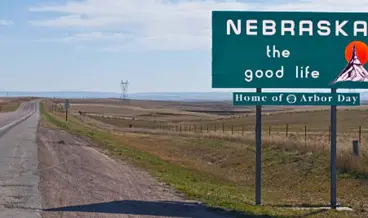
Nebraska is preparing to reduce funding for gambling addiction services and transfer oversight from a dedicated commission to the state health department.
 LISTEN TO THIS ARTICLE:
Governor Jim Pillen’s budget proposal would dissolve the Nebraska Commission on Problem Gambling and move its responsibilities into the Nebraska Department of Health and Human Services (DHHS). The plan also shrinks the statutory allocation for problem-gambling treatment and prevention from 2.5% of gaming receipts to 1%, a reduction projected to reduce annual resources from roughly $1.5 million to about $900,000, according to local reporting by KETV.
Officials Say Move Will Improve Integration with Mental Health Services
Supporters in state government argue the change will better integrate gambling-related treatment with broader behavioral health services. Senator Robert Clements, chair of the Legislature’s Appropriations Committee, said the transfer is intended to streamline care delivery.
“Putting problem-gambling services inside DHHS places them alongside other mental-health and substance-use programs, which should improve coordination and oversight”, Clements said. “This is about creating a more consistent system of care and accountability under a single agency that already manages the state’s behavioral-health infrastructure.”
The governor’s office framed the proposal similarly. In a statement, an administration spokesperson said, “Moving oversight to DHHS aligns problem-gambling treatment with accepted behavioral-health practices and enables the state to manage these services within a unified clinical and administrative framework.”
Backers also note broader budget pressures. Nebraska, like many states, is reviewing agency spending amid competing priorities across Medicaid, corrections, and K-12 education. Proponents say consolidating programs can reduce duplication and administrative costs.
Related: Nebraska Poised to Revisit Online Sports Betting with Two 2025 Bills Carrying Over
More Responsible Gambling
 Responsible Gambling
Pennsylvania Gaming Control Board Launches Youth Gambling Awareness Campaign
Mar 12, 2026
 Responsible Gambling
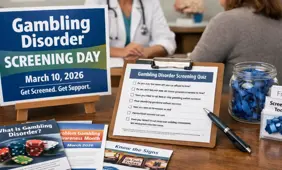
Gambling Disorder Screening Day 2026 Promotes Early Detection of Addiction
Mar 10, 2026Advocates Warn Reduced Funding Will Leave Vulnerable People with Fewer Options
Advocacy groups and program directors have urged caution, saying the shift and simultaneous funding cut come as demand for services is rising. The Nebraska Council on Problem Gambling reports a roughly 40% increase in calls and treatment requests since the state expanded legal forms of gambling after 2020 – a trend advocates link to a wider range of betting products and increased marketing by operators.
“Problem gambling is a public-health issue, not merely a moral failing”, said Mike Sciandra, executive director of the Nebraska Council on Problem Gambling. “Reducing funding at a time when more Nebraskans are seeking help will leave families without access to treatment, counseling, and prevention programs that prevent financial ruin and long-term harm.”
Program officials share the concern. “We are already seeing more people presenting with complex needs – co-occurring mental-health issues, mounting financial distress, and family breakdown”, said Dave Geier, program director for the commission. “Cutting the budget while folding the program into a large agency risks diluting specialized services that require targeted training and rapid response.”
Advocates warn that short-term savings could generate higher costs down the road in social services, unemployment, and criminal-justice responses if problem gambling is insufficiently addressed.
The bill repealing the commission and changing funding levels is currently assigned to a legislative committee; no hearing date has been set. Lawmakers can amend or reject the governor’s proposals during the session.
Next Steps for Lawmakers and Stakeholders
As the bill advances through the Nebraska Legislature, stakeholders on both sides are preparing testimony. Behavioral-health providers, county officials, and veteran counselors are likely to press for assurances that specialized helplines, prevention education in schools and communities, and grants to local treatment providers will be preserved or replaced. Industry groups and fiscal conservatives are expected to highlight cost savings and administrative efficiencies.
Lawmakers will weigh whether a transfer to DHHS can maintain the level of specialized care advocates say is necessary, or whether the commission’s statutory role and current funding should be preserved. Any change would take effect only after legislative approval and subsequent administrative transition planning within DHHS.
RELATED TOPICS: Responsible Gambling
Latest News


 Responsible Gambling
Review this New Post
Leave a Comment
User Comments
Comments for Nebraska Proposes Cuts to Gambling Addiction Funding