
Greece Blocks 11,000 Illegal Gambling Websites in Major Crackdown


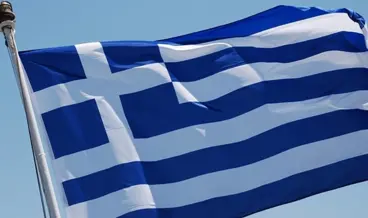
Greece’s gambling regulator has ordered the blocking of about 11,000 websites suspected of offering unlicensed gambling to local customers.
 LISTEN TO THIS ARTICLE:
The Hellenic Gaming Commission (HGC) said the sweeping measure targets operators, promotional platforms and affiliate networks thought to be directing Greek players to offshore casinos and sportsbooks operating outside the country’s licensing framework. Regulators framed the action as an effort to shore up consumer protections and to reclaim revenue being lost to the unregulated market, which industry estimates place around EUR 1.7 billion annually.
Officials and market watchers say the move comes amid an aggressive expansion of offshore services that undercut licensed Greek operators. Recent estimates indicate that a substantial share of online gambling spending in parts of Europe is routed through unregulated sites; one industry analysis suggested migration of players to offshore offerings remains a major headwind for regulated markets across the continent.
An HGC spokesperson described the operation as necessary but cautioned that it is only a first step. "This intervention aims to protect Greek consumers and the integrity of the regulated market, but blocking domains is only one part of a broader enforcement strategy", the spokesperson said. "We will continue to coordinate with internet service providers, payment processors and international partners to disrupt the entire value chain that sustains these illegal operations."
Related: Greece to Pioneer Social Media and Gambling Blocks for Minors
Offshore Resilience Prompts Calls for Broader Tools
Despite the scale of the blocking order, enforcement specialists and operators warn of the offshore sector's resilience. Estimates of illicit activity suggest that thousands of new gambling-related domain names are registered each month, allowing many services to reappear quickly after a takedown. One industry source cited a rough figure of 10,000 new domains monthly, illustrating the speed with which operators can migrate their presence.
Industry voices, including analysts and licensed operators in Athens and Thessaloniki, argue that technical blocks need to be paired with measures that target the commercial and financial engines of offshore operations. Suggested policies include stronger affiliate regulation, mandatory identity and AML checks for payment providers, blacklists for advertising networks, and faster cooperation mechanisms between national regulators across the EU.
Maria Kouris, senior analyst at iGaming Research Ltd., said: "If enforcement is limited to take-downs, operators will continue to migrate. Greece needs coordinated measures across ISPs, banks and regulators, and a competitive domestic offering to win back players. Improving the attractiveness of licensed operators, while cutting off the means of monetisation for illegal sites, is essential."
Lawmakers have also raised concerns about player protection and the potential for vulnerable consumers to fall prey to unregulated products. The HGC has signalled plans to refine licensing rules and strengthen oversight, particularly around marketing practices and the role of affiliates that funnel traffic to offshore services.
More Regulation


Regulatory Steps and Industry Response
Beyond web-blocking, the HGC is examining a package of measures intended to reduce demand for illicit sites and make the domestic market more robust. These include tighter licensing conditions, improved transparency for affiliate networks, mandatory cooperation from payment processors, and enhanced AML reporting. The commission has also indicated that it will monitor developments in the land-based sector as Greece prepares to host integrated resort projects in Athens and Maroussi slated for completion by 2028, aiming to ensure those projects align with regulatory priorities.
Operators and trade bodies have called for clearer guidance and faster enforcement tools. European regulators have in recent years explored greater cross-border collaboration to tackle illegal gambling, and industry stakeholders say Greece will likely push for more coordinated action at the EU level.
For now, the HGC's mass blocking sends a clear signal of intent: regulators in Athens are prepared to take aggressive action, but industry experts caution that a sustained, multi-pronged strategy will be required if Greece is to reverse the flow of players and revenue to the offshore market.
RELATED TOPICS: Regulation
Latest News
 Business


Review this New Post
Leave a Comment
User Comments
Comments for Greece Blocks 11,000 Illegal Gambling Websites in Major Crackdown