GameStop Launches Power Packs Trading Card Product as Gambling Comparisons Surface

Expertise: US Gaming, European Gaming Industry, iGaming
LISTEN TO THIS ARTICLE:
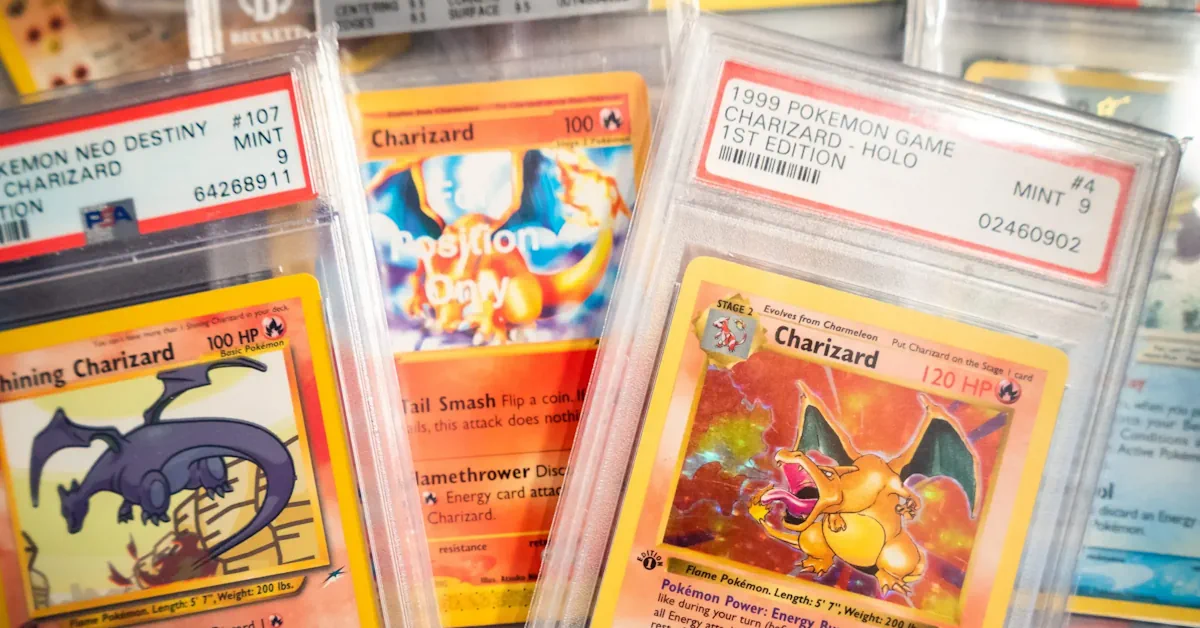
GameStop has introduced a new trading card product, branded “Power Packs,” that allows customers to purchase digital packs to unlock real, PSA-graded trading cards. The rollout, which began transitioning from beta access to public availability on April 15, marks the company’s latest attempt to expand beyond traditional retail into collectibles and digital-adjacent experiences.
The offering includes cards from major categories such as Pokémon and professional sports leagues, including football, baseball, and basketball. Each pack contains at least one card graded by Professional Sports Authenticator (PSA), a standard widely used in the secondary collectibles market.
GameStop Digital Trading Cards’ Structure
GameStop has structured Power Packs across multiple price tiers, ranging from entry-level purchases to high-value options. Pricing begins at $25 for a Starter pack and extends through Silver ($50), Gold ($100), Platinum ($500), Diamond ($1,000), and Lunar ($2,500).
According to the product’s FAQ, higher-priced packs increase the probability of receiving more valuable cards, though outcomes remain uncertain and no value is guaranteed. After opening a pack, users may choose to have the physical card shipped, store it in a digital “vault,” or sell it back to GameStop.
The launch comes as interest in licensed football trading cards is also increasing, particularly with the return of Topps as an official NFL partner. Its 2025 Topps Chrome Football release, the first to feature full league branding since 2015, follows a more traditional model built on defined checklists, Refractor parallels, and rookie autograph chases. That structure, long associated with established collecting practices, stands in contrast to Power Packs’ less transparent distribution and outcome-based purchasing model.
Details around resale values remain limited. Comparable products in the broader market have offered guaranteed returns significantly below purchase price, reinforcing the randomized and risk-based nature of the format.
Box Breaks Face Legal Challenge – So Could Repacks
The Power Packs model resembles “repacks,” a format that has gained traction alongside “box breaks,” where buyers purchase positions tied to randomized card outcomes. In those cases, participants effectively wager on the order or category of cards revealed from sealed products.
Box breaks, which saw rapid growth through livestream platforms and online marketplaces, have recently come under legal pressure. Platforms such as eBay have restricted the activity to pre-approved sellers, while arbitration claims involving live commerce platforms argue that the mechanics mirror gambling.
The comparison stems from structural similarities: participants pay for access to a randomized outcome with variable financial return, often influenced by chance rather than skill. In team-based breaks, for example, buyers might purchase rights to cards associated with a specific franchise, with value dependent entirely on pack contents.
Instant Resales Raise Additional Concerns
One of the defining features of GameStop’s Power Packs is the ability to resell cards immediately after viewing them, without requiring physical delivery. This mechanism introduces a loop where users can purchase, reveal, and reinvest proceeds into additional packs in rapid succession. Critics of similar systems have pointed to this cycle as reinforcing behavioral patterns associated with gambling. The combination of uncertain outcomes, financial risk, and instant reinvestment has drawn comparisons to casino-style gameplay, even in the absence of formal legal classification as gambling.
Recent scrutiny of adjacent models, including video game loot boxes, has shown that regulators are increasingly willing to examine products that operate in this gray area between entertainment and wagering.


Implications and What This Could Mean
The introduction of Power Packs places GameStop within a growing segment of the collectibles market that blends physical assets with digital mechanics and probabilistic rewards. While the structure offers accessibility and liquidity, it also exposes the company to potential regulatory review, particularly in jurisdictions where definitions of gambling are evolving.
If legal challenges facing box breaks and similar products gain traction, Power Packs could be subject to comparable scrutiny. Key factors likely to be examined include the role of chance, the presence of financial risk, and the ability to recycle funds through instant resale systems.
For the broader market, the development reflects a shift toward financialized collectibles, where value is not only derived from ownership but also from speculative interaction. This model may continue to attract interest from both consumers and regulators, particularly as traditional boundaries between gaming, commerce, and gambling become less distinct.
At the time of writing, GameStop has not publicly clarified how Power Packs are positioned relative to gambling definitions, leaving open questions about how the product will be assessed as regulatory attention intensifies.
RELATED TOPICS: Regulation


