
Brazil Lawmakers Approve Measure to Redirect Gambling Taxes


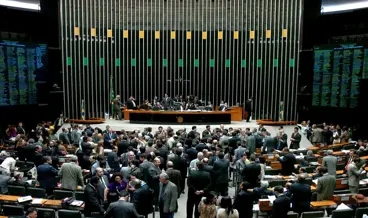
Brazil's Chamber of Deputies has approved a constitutional amendment proposal to allocate gambling tax revenues to public security funding.
The measure redirects part of the country's betting tax proceeds without increasing the fiscal burden on licensed operators.
Deputies unanimously backed the proposal introduced by União Brasil minister Mendonça Filho of Pernambuco last Thursday. The amendment alters how tax revenue generated under Brazil's regulated betting framework is distributed across federal programs.
The approved text directs funds collected from fixed-odds betting and online gambling toward the National Public Security Fund (FNSP) and the National Penitentiary Fund (Funpen). Lawmakers framed the change as a pragmatic way to strengthen security financing using existing gambling tax revenues.
Brazil currently applies a 12% tax on Gross Gaming Revenue from betting operators. That rate is scheduled to rise gradually to 15% by 2028.
Additional tax income comes from a 15% levy on player winnings and standard corporate taxes applied to operators. After deductions such as winnings, related income tax, and operator gross profits, the remaining revenue forms the pool for government distribution.
Under Law 14.790/2023, betting tax proceeds are divided among several beneficiaries. These include the Ministry of Sport, Ministry of Tourism, education programs, Social Security, sports entities, health initiatives, and public security funds.
The current structure allocates 36% of funds to the Ministry of Sport and 22.4% to the Ministry of Tourism. The National Public Security Fund presently receives 13.6%, while education and Social Security each receive 10%.
The newly approved Public Security PEC gradually increases the share allocated to security programs. Between 2026 and 2028, 10% of betting revenue will be directed to the FNSP and Funpen, rising to a ceiling of 30%.
More Regulation



Betting Revenue Redistribution to Boost Security
This redistribution reduces funding shares currently assigned to sports development, tourism promotion, and certain social initiatives. Supporters argued the change addresses a funding gap in Brazil's public security and prison systems.
The amendment now moves to Brazil's Federal Senate, where legislators will determine whether it becomes part of the country's fiscal framework. If approved, it would reshape how gambling tax revenues support security programs.
The debate follows recent controversy surrounding CIDE-Bets, a proposed 15% surcharge on fixed-odds betting operators. Deputies removed the proposal from the Anti-Racketeering Bill during earlier legislative review.
Backers of CIDE-Bets had argued the surcharge could generate up to R$30bn for security funding. The proposal was linked to efforts to modernise Brazil's prison system, which has faced criticism for overcrowding and structural failures.
Brazil's Supreme Court ruled in 2023 that prison conditions represented an unconstitutional state of affairs requiring reform. Funding mechanisms for those reforms remain a central issue in ongoing debates about gambling taxation.
Lawmakers ultimately removed the CIDE-Bets provision to prevent delays to the Anti-Racketeering Bill. The legislation focuses on expanding criminal liabilities and strengthening legal tools to prosecute organized crime.
Although excluded from the bill, CIDE-Bets remains part of the broader policy debate. Discussions continue over how Brazil's regulated betting market should contribute to public security financing.
RELATED TOPICS: Regulation


Review this New Post
Leave a Comment
User Comments
Comments for Brazil Lawmakers Approve Measure to Redirect Gambling Taxes