
GambleAware Campaign Drove Awareness and Help-Seeking


GambleAware’s three-year public health campaign appears to have driven substantial increases in awareness and help-seeking for gambling harms.
 LISTEN TO THIS ARTICLE:
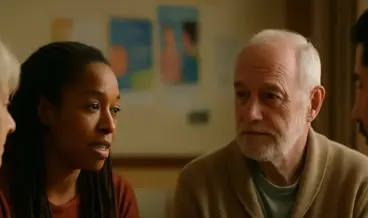
New analysis from Ipsos, commissioned by GambleAware, shows that the charity’s “Let’s Open Up About Gambling” campaign boosted public recognition of gambling-related harms and prompted action among the target audience. The campaign ran in three phases between April 2023 and May 2025 and combined broadcast advertising, media partnerships and digital activity to encourage conversations and signpost support.
According to the report, roughly nine in ten people reached by the campaign reported taking some sort of action after exposure – from talking with friends and family to using online tools and seeking professional advice. Around two in five members of the target demographic said the campaign led them to discuss gambling, and the campaign coincided with increased traffic to GambleAware’s digital resources, including its Service Finder and the Self-Assessment tool.
Campaign materials were developed with people who have lived experience of gambling harm and used filmed personal stories to tackle stigma – a core barrier to people asking for help. Ipsos’s independent evaluation concluded the creative approach improved understanding of what constitutes gambling harm and made it easier for people to recognise when to seek support.
GambleAware and its creative partner, Lucky Generals, say the work achieved measurable reach in spite of a sector that spends heavily on marketing. Matt Gainsford, from Lucky Generals, said: “This was one of the most important briefs we’ve worked on. We’re incredibly proud of the impact the campaign has had, particularly when you look at it in the context of what the gambling industry spend on advertising. However, breaking down stigma is more than a three year job and we hope this is the beginning of a long-term, sustained effort to get millions more across Great Britain to open up about gambling.”
Related: GambleAware Survey Finds Five Million Want to Cut Back on Gambling
What Comes Next
GambleAware has confirmed it will cease operations by March, and responsibility for future public health activity will transfer to the newly established prevention commissioner, funded through the mandatory UK gambling levy. GambleAware’s trustees say the findings from the Ipsos report should inform the new body’s strategy and help guide future public education and support provision.
The report sets out practical recommendations for successors, including the continued use of lived-experience co-creation, clearer signposting in advertising, and the wider deployment of online assessment and referral tools. GambleAware has also urged regulators and policymakers to consider tighter controls on gambling promotions, suggesting health warnings be mandated across gambling advertising alongside clear directions to sources of help.
Emma Munro-Faure, GambleAware’s director of marketing, said: “We’re proud that this campaign helped thousands of people to seek support for gambling harms. But stigma remains a major barrier, and with gambling companies spending £2 billion a year on advertising, we need stronger restrictions and clearer signposting to the free help and support available.”
Industry reaction to the report has been mixed. Some public-health advocates welcomed the evidence that targeted communications can trigger help-seeking, while others argued the scale of commercial marketing and product design means prevention activity needs to be stronger and better funded.
More Responsible Gambling
 Responsible Gambling
Pennsylvania Gaming Control Board Launches Youth Gambling Awareness Campaign
Mar 12, 2026
 Responsible Gambling
Gambling Disorder Screening Day 2026 Promotes Early Detection of Addiction
Mar 10, 2026Recommendations for Future Campaigns
The Ipsos evaluation and GambleAware’s summary outline several steps for future communications: co-design campaigns with people who have lived experience to build trust; prioritise simple, repeatable messages that reduce shame; integrate digital assessment and referral paths; and ensure sustained funding so momentum is not lost after a short campaign cycle.
Policymakers will also need to decide how public-health campaigns sit alongside regulatory measures, including advertising restrictions and mandatory signposting in all gambling promotions. As the prevention commissioner prepares to take over public-health communications, the new approach will be watched closely by clinicians, treatment providers and gambling policy experts keen to see whether the gains reported by Ipsos can be converted into longer-term reductions in gambling harm.
RELATED TOPICS: Responsible Gambling




Review this New Post
Leave a Comment
User Comments
Comments for GambleAware Campaign Drove Awareness and Help-Seeking