
Nevada Regulators Approve Golden Entertainment Buyout


LAS VEGAS, Nev. – Nevada regulators have approved Golden Entertainment’s plan to go private after shareholders backed a $30-per-share buyout.
 LISTEN TO THIS ARTICLE:
The decision moves the deal toward a final April 23 hearing and sets up a second-quarter closing that will shift the company’s ownership and property structure. Shareholders approved the deal last week, and the company expects the transaction to close in the second quarter. The buyout price of $30 per share represents a substantial premium over the roughly $20-per-share level before the deal was announced.
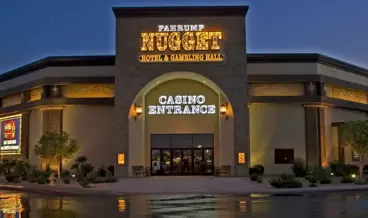
Under the agreement, Golden Entertainment will transfer its operating business to Sartini and affiliated entities while selling seven Nevada casino real estate assets to REIT VICI Properties in a sale-leaseback. VICI will become the landlord for seven properties: The STRAT Hotel, Casino & Tower on the Las Vegas Strip; Arizona Charlie’s Decatur and Arizona Charlie’s Boulder in the Las Vegas locals market; the Aquarius and Edgewater in Laughlin; and the Nugget Hotel & Casino and Lakeside Hotel & Casino in Pahrump. Golden will retain ownership of the real estate for the Gold Town Casino in Pahrump. The company will continue operating its portfolio of about 72 gaming taverns across Nevada.
Deal Details and Management Rationale
Blake Sartini, founder and chief executive of Golden Entertainment, told the Nevada Gaming Control Board the decision to take the company private was driven by a persistently undervalued stock and a scarcity of growth opportunities that appealed to institutional investors. "From an institutional-investor standpoint, our company became too small to gain attention from the public market", Sartini said. "Additionally, a lack of significant organic growth catalyst further limited investor interest."
Sartini explained the company’s public history, noting Golden began trading via a reverse merger in 2015 and expanded through acquisitions including assets from American Casino, which added The STRAT and other properties, while also making earlier efforts to support shareholder value as the stock reset following divestitures and a strategic refocus on Nevada operations. The share price, he said, rose from mid-single digits to a peak near $59 before resetting following divestitures and a strategic refocus on Nevada casinos and taverns.
On the strategic benefits of going private, Sartini said: "The public market is all about growth. They reward growth. As we looked over the years, there wasn’t anything we saw that was risk-appropriate. Our organic growth wasn’t enough to get the market interested." He added that private ownership will allow the company to take a longer-term view without quarter-to-quarter pressures: "Being a private company will allow us to be more selective and patient. We do think we have significant opportunities with VICI as our partner."
Golden’s finance chief, Charles Protell, told regulators the lease with VICI runs for 30 years with four five-year renewal options, and that rent will be apportioned according to each property’s revenues and profitability. Protell also said proceeds from the transaction will be used to retire corporate debt, reducing interest costs and improving cash flow going forward.
Sartini said operational changes will be minimal: most staffing adjustments will be limited to functions required for a public company, such as an independent board of directors. Golden employs roughly 5,000 people across its casino, resort and tavern businesses.
More Business



What to Watch Next
Regulators probed the deal for potential concentration risks. Gaming Control Board member George Assad voiced concern about VICI’s growing footprint on the Strip and elsewhere. "Once these contracts expire, and if they want to raise the rents by 5%, 10%, or 20% they have you in a bad spot", Assad said. "I would like to see some real estate transactions with some other companies that may get involved in these lease packs."
The commission will likely weigh those competitive questions alongside standard suitability reviews of the Sartini family and affiliated buyers. Board Chair Mike Dreitzer asked why an operating company (OpCo) should not remain public; Sartini reiterated that public markets favor visible growth and can impose costly reporting obligations. Assad signaled support for the move to private ownership, noting several respected mid-market Nevada operators remain private, and that the change could protect Golden from activist pressure and short-term market volatility.
With the April 23 hearing approaching, industry observers will watch whether Nevada regulators impose conditions on the lease terms or require additional safeguards for lessees. The transaction follows a broader trend in gaming of sale-leasebacks to REITs such as VICI, which provide capital and stability but raise long-term rent and concentration issues that state regulators increasingly scrutinize.
RELATED TOPICS: Business
Latest News


 Regulation
Minnesota Woman Charged in $1.26M Embezzlement Case Linked to Gambling Addiction
Apr 08, 2026 Regulation

Review this New Post
Leave a Comment
User Comments
Comments for Nevada Regulators Approve Golden Entertainment Buyout