
Premier League Clubs Face £80M Hit After Gambling Sponsor Ban

LONDON, UK – Premier League clubs are facing growing commercial pressure ahead of next season, with several still without front-of-shirt sponsors following the exit of gambling brands.
 LISTEN TO THIS ARTICLE:
The shift comes as a voluntary ban on gambling sponsorship is set to take effect, reshaping one of the league’s most reliable revenue streams and raising fresh concerns about legal risks tied to sponsorship deals.
Clubs Struggle to Fill Sponsorship Gap
Nine clubs have yet to secure shirt deals, while a total of 12 remain without confirmed commercial agreements, raising the possibility that some teams could begin the season without a sponsor on their kits. The situation reflects a tightening market, particularly for clubs outside the league’s biggest names.
For years, gambling operators – especially those targeting Asian markets – were among the most aggressive sponsors, often outbidding other sectors to secure global exposure. Their withdrawal has left a gap that other industries have been slower, and less willing, to fill at similar price levels.
One club executive said the combined impact could reach as much as £80 million in lost income across the league next season.
Sharp Drop in Deal Values
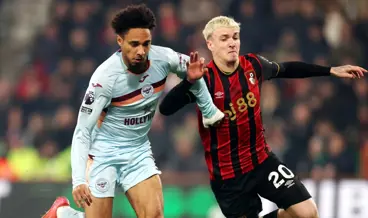
Early replacement deals suggest a clear decline in value. Bournemouth and Brentford are among the few clubs to secure alternatives, but both are understood to have accepted reduced terms compared with previous gambling-backed agreements.
New contracts in the £4 million to £5 million range are becoming more common, a significant drop from the £8 million to £12 million deals that were typical before the ban. Industry figures say offers have fallen by roughly half for many mid-table and lower-ranked clubs.
Some teams are restructuring existing partnerships instead of securing new ones. Bournemouth moved its stadium sponsor onto the shirt, while Brentford is expected to promote its training kit sponsor. Everton and West Ham have taken a different route, shifting gambling sponsors to sleeve positions, which remain permitted under league rules.
More Business


Big Six Remain Insulated
The impact is not evenly distributed. The league’s biggest clubs continue to benefit from long-term agreements with global brands, with deals for Arsenal, Liverpool, Manchester City and Manchester United valued at between £50 million and £60 million annually.
This divide is widening the financial gap between the so-called “big six” and the rest of the league. Clubs outside that group are finding it increasingly difficult to attract sponsors at competitive rates, particularly as the pool of high-spending partners shrinks.
Chelsea and Newcastle are also still searching for new deals, highlighting that even larger clubs are not entirely immune to the changing landscape.
Ripple Effects Across the Football Pyramid
The sponsorship shift is already creating knock-on effects beyond shirt deals. As clubs move partners between shirt, sleeve and training kit positions, the value of secondary sponsorships is also being disrupted.
Meanwhile, the English Football League has not introduced a similar ban and continues its partnership with Sky Bet as title sponsor through 2029. That leaves EFL clubs in a stronger position to attract gambling companies still seeking visibility in English football.
With the new season approaching, clubs are under increasing pressure to finalise agreements. The coming months will test how quickly the market can adjust to the absence of one of its most lucrative sponsorship categories – and whether alternative industries are ready to step in at scale.
RELATED TOPICS: Business

Review this New Post
Leave a Comment
User Comments
Comments for Premier League Clubs Face £80M Hit After Gambling Sponsor Ban