
Dutch Gaming Authority Clarifies Ban on Influencers in Gambling Ads


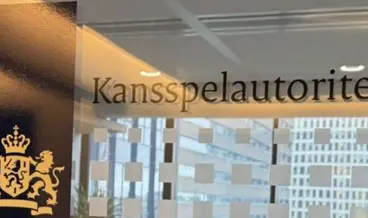
The Dutch Gaming Authority (KSA) has clarified in the Netherlands that influencers, streamers and online personalities cannot be used to promote gambling products.
 LISTEN TO THIS ARTICLE:
The move forces licensed operators to immediately end collaborations that could appeal to young audiences and reshape their marketing strategies.
The regulator said the clarification was necessary to eliminate ambiguity about who qualifies as a “role model” under existing advertising restrictions.
Related: European Operators Agree Industry-First Standards for Gambling Influencer Marketing
No Grey Area on “Role Models”
The role model ban was introduced to protect vulnerable groups, particularly young adults who are more likely to identify with online personalities. While the rule has been in place, gambling providers frequently questioned whether smaller creators or niche influencers fell within its scope.
The KSA’s latest guidance makes clear that reach, not celebrity status, is the determining factor. Anyone with sufficient public exposure to influence recruitment or advertising efforts is considered a role model under the law.
That includes influencers, bloggers, vloggers and streamers whose platforms attract substantial followings across social media and streaming channels.
Immediate End to Collaborations
Operators have been instructed to terminate existing marketing partnerships that rely on public figures with notable reach. Gambling advertisements must no longer feature personalities capable of drawing younger audiences toward betting platforms.
In its statement, the KSA emphasized that the restriction is not limited to nationally recognized figures. The ban applies whenever a person’s audience size makes them commercially attractive for advertising purposes.
For marketing departments, the message is straightforward: audience size equals regulatory risk. Even collaborations that previously appeared compliant may now require reassessment.
More Regulation



Focus on Youth Protection
The regulator’s underlying objective remains consumer protection. Research has shown that younger adults are particularly sensitive to endorsements by relatable figures online. Authorities argue that influencer-driven promotions can blur the line between entertainment and advertising, increasing exposure to gambling content.
By tightening interpretation of the role model ban, the KSA aims to reduce indirect recruitment of younger players into the regulated market.
The clarification also reflects broader European scrutiny of gambling advertising practices, as regulators increasingly evaluate how digital marketing intersects with vulnerable demographics.
Market Impact for Operators
For licensed providers in the Dutch market, the guidance signals another shift toward stricter advertising controls. Companies must now audit social media campaigns, affiliate arrangements and content partnerships to ensure compliance.
The clarification does not alter the legal framework itself but reinforces enforcement expectations. Operators who fail to comply risk regulatory action from the KSA, which has already demonstrated a willingness to impose fines for advertising breaches.
For players, particularly younger consumers, the change means fewer gambling promotions embedded in influencer content feeds. For operators, it marks a narrowing of digital acquisition channels in an already tightly regulated market.
RELATED TOPICS: Regulation
Latest News


Most Read
Must Read
 Interviews
Exclusive Interview: Levon Nikoghosyan Shares AffPapa Winning Formula for Successful iGaming Events
Dec 03, 2025 Interviews
Review this New Post
Leave a Comment
User Comments
Comments for Dutch Gaming Authority Clarifies Ban on Influencers in Gambling Ads