
Casino Staff to Benefit from New Jersey 2026 Minimum Wage Increase


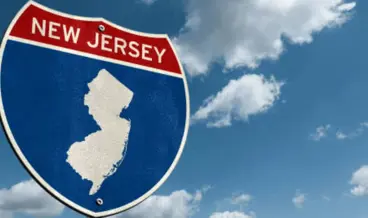
New Jersey’s minimum wage rises to $15.92 on January 1, 2026.
 LISTEN TO THIS ARTICLE:
The state’s annual inflation adjustment has produced one of the largest single-year increases in recent memory, lifting the statewide minimum hourly wage to $15.92 and bringing material relief to thousands of hospitality and gaming employees in Atlantic City and across New Jersey. The change – a reported 43% rise from the previous base – affects a broad range of workers but leaves several cohorts on staggered schedules.
For most workers, the new $15.92 floor will be the legal minimum. However, state law continues to treat certain groups differently. Seasonal workers and employees at businesses with fewer than six staff members will see their minimum rise to $15.23, up from $14.53 in 2025; those rates are scheduled to converge with the general minimum by 2028. Agricultural workers remain on a longer phase-in timetable: their wage floor jumps to $14.20 on Thursday, an increase described by officials as roughly 80%, but will not match the main statewide rate until 2030.
Casino employees, who are typically classified as tipped workers, will see the base hourly cash wage for tipped service rise to $6.05. Employers retain a legal obligation to ensure that the combined pay of cash wages and gratuities reaches the $15.92 minimum; where tips fall short, businesses must top up earnings to meet the statutory floor.
State officials underscore that the adjustment is automatic, driven by a law that ties the minimum wage to an inflation formula. Advocates for workers say the increase is overdue and will meaningfully improve household finances for many frontline service staff, while some business groups warn of higher operating costs.
“Raising the wage floor for hospitality workers is a necessary step to restore purchasing power that has been eroded by years of inflation”, said a labor economist who studies wage policy. “The key test will be whether employers, particularly in seasonal and tip-reliant sectors, balance wage compliance with staffing and scheduling needs rather than cutting hours.”
The change coincides with renewed activism among casino staff over workplace conditions. In late 2025, Atlantic City employees pressed state leaders, including Governor Phil Murphy, to support legislation that would prohibit indoor smoking on casino floors – a measure workers argue would improve health and job quality. The request came amid ongoing discussions about worker safety, benefits and the long-term competitiveness of Atlantic City’s gaming market.
Related: New Jersey Lawmakers Approve Gambling Tax Increases
More Business


Industry Reaction and Fiscal Effects
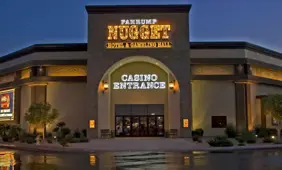
Industry and economic analysts point to the broader fiscal role of New Jersey’s casino sector when weighing the wage move. A 2024 report by the Lloyd D. Levenson Institute of Gaming, Hospitality & Tourism and the Casino Association of New Jersey highlighted Atlantic City’s outsized contributions to state programs. In Fiscal Year 2024, the casino industry reportedly contributed a record $572 million to the Casino Revenue Fund – money that helps finance housing for people with developmental disabilities and other social services.
According to the report, $541 million of that figure supported housing for individuals with developmental disabilities, with a further $17 million directed to senior community programs, $5 million to pharmaceutical assistance, and $4 million to personal assistance services. Casino operators and unions say those revenues underscore the sector’s public responsibilities as wages and operating costs shift.
“Higher wage floors will increase labor costs, but they also can boost local consumer spending and reduce turnover, which benefits employers and communities”, said a spokesperson for a regional hospitality association. “Policymakers should monitor impacts closely and consider targeted supports for small businesses and seasonal employers during the transition.”
New Jersey’s new $15.92 minimum leaves the state among the nation’s highest minimums, behind only Washington, California and Connecticut; Washington, D.C., continues to top U.S. jurisdictions with a separate minimum that stood at $17.95 in recent comparisons.
As the phase-ins continue through 2028 and 2030 for different worker groups, the coming years will test how Atlantic City’s casinos, small businesses and agricultural employers absorb higher labor costs while maintaining service levels and revenue streams that underpin important state-funded programs.
RELATED TOPICS: Business


Review this New Post
Leave a Comment
User Comments
Comments for Casino Staff to Benefit from New Jersey 2026 Minimum Wage Increase