
Offshore Betting Group Rejigs Curaçao Licences as UK Scrutiny Intensifies

A cluster of offshore gambling sites popular with British bettors has shifted its Curaçao licensing footprint in response to increased public and regulatory scrutiny.

 LISTEN TO THIS ARTICLE:
Several brands that long operated outside the UK-regulated market – including MyStake, Velobet, Donbet and Goldenbet – have updated their public disclosures to show a new Curaçao license-holder, GTW B.V., replacing an earlier link to Santeda International. The change follows investigative reporting and campaigning that exposed the size and reach of an unregulated network courting UK customers, many seeking platforms not connected to the national self-exclusion scheme, GamStop.
Industry observers say such corporate reshuffles are common in offshore betting markets. Companies often rotate legal entities and license holders to maintain continuity of service while reducing reputational or legal exposure. Curaçao’s licensing framework also allows operators to continue trading during licence renewal processes, a feature critics say can be used to mask apparent lapses in public records.
Data from recent investigations suggested British customers placed bets worth billions of pounds through the group in 2025, with MyStake accounting for a substantial share of that activity. The revelations prompted renewed calls from campaigners and some MPs for tighter controls on how offshore platforms market to and accept players from the UK.
Related: Curacao Revamps Online Gambling Laws in Landmark Reform
More Regulation
Regulators and Advocates Push Back
Alongside financial concerns, the network has been accused of weak player protections. GAMRS, a campaign organisation representing people harmed by gambling, has compiled testimony and case data alleging aggressive retention marketing, difficulties closing accounts and continued targeting of self-excluded or vulnerable players. "Our research shows a pattern of behaviour where operators pressure people to keep gambling and place barriers around attempts to stop", a GAMRS director said. "These are not isolated incidents – they are endemic to platforms operating beyond UK regulation, and they cause profound harm to families."
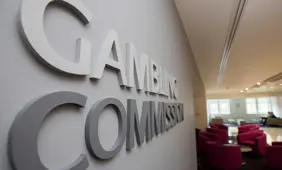
Regulators in the UK, including the Gambling Commission, have increased enforcement resources and intensified cooperation with technology firms to delist unlicensed operators from search engines and social platforms. A spokesperson for the UK Gambling Commission said: "We continue to work closely with international partners and technology companies to reduce the availability of unlicensed gambling services to UK consumers. Where there is credible evidence of harm, we will use the full range of tools available to protect the public."
Even with blocklists and enforcement actions, critics argue the response is playing catch-up. Offshore operators can swap company names and licence details faster than authorities can pursue them, and the borderless nature of digital advertising complicates enforcement. "These operators exploit regulatory gaps and the speed of online marketing to remain one step ahead", said an independent iGaming analyst. "Effective mitigation requires a mix of international cooperation, stronger platform accountability, and clearer pathways for affected consumers to seek redress."
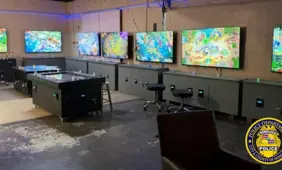
Recent months have seen reports of hundreds of offshore sites being blocked or removed from UK-facing channels. Still, campaign groups note that enforcement wins are often temporary if the underlying licensing and corporate structures permit rapid re-emergence under new guises in jurisdictions like Curaçao.
Industry bodies and some regulators in Curaçao have signalled a willingness to tighten oversight following high-profile cases, but reform timelines remain uncertain. The ongoing debate centers on closing legal and technical loopholes while balancing legitimate cross-border business activity with consumer protection.
Further Reporting and Sources
Investigations into offshore gambling networks continue to evolve. Journalists, campaigners and regulators say sustained scrutiny has already led to increased transparency from some operators and pressure on payment and advertising intermediaries to withdraw support. For the many families affected by problem gambling, however, campaigners insist that more robust international enforcement and clearer consumer safeguards are urgently required.
RELATED TOPICS: Regulation
Latest News


 Responsible Gambling
Review this New Post
Leave a Comment
User Comments
Comments for Offshore Betting Group Rejigs Curaçao Licences as UK Scrutiny Intensifies