Schleswig-Holstein Issues First German Online Casino Licenses

Expertise: iGaming, Online casinos
LISTEN TO THIS ARTICLE:
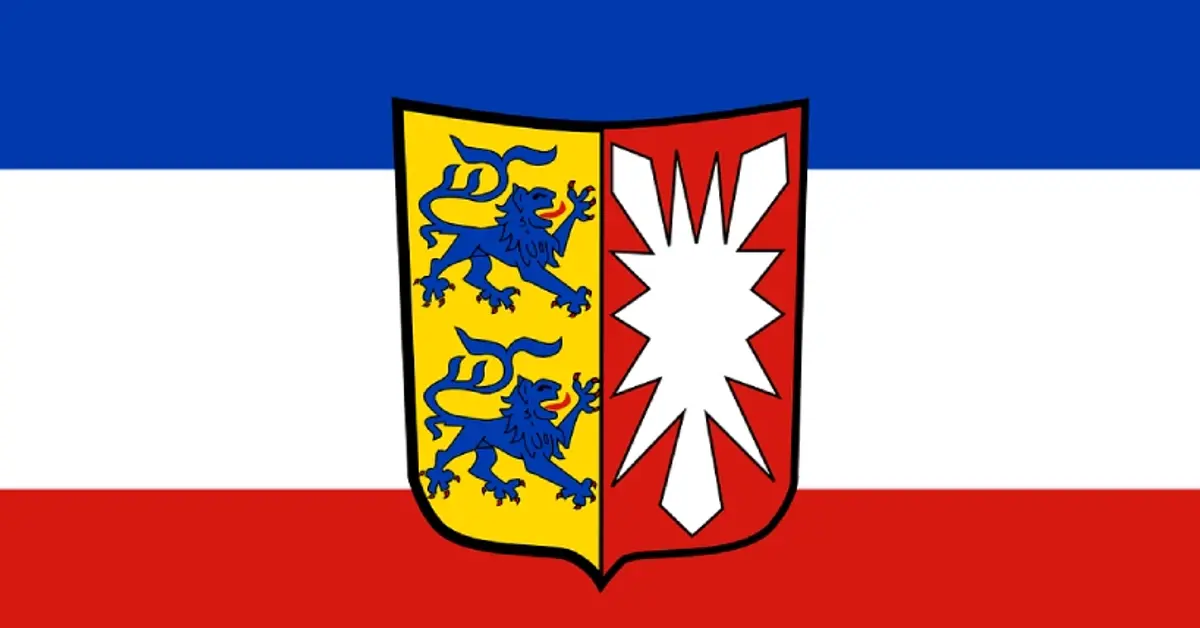
Last week, the state announced that it had issued licenses to various operators, including Bluebet, Tipico, Skill on Net, and Austrian casino Cashpoint, to offer online casino games in its jurisdiction.
All the new licensed operators are required to comply with player protection regulations and anti-money laundering laws, as stated by Schleswig-Holstein’s Ministry of the Interior.
While the federal gaming regulator, the Gemeinsamen Glücksspielbehörde der Länder (GGL), issues licenses for online slots and poker in Germany, each of the country’s 16 states retains the authority to grant licenses for online casino games.
By allowing an attractive online offer, we want to prevent players from taking advantage of illegal offers if they want to play the games they know from casinos online, for example, and thus strengthen legal gambling.


Germany’s Unlicensed Gambling Market Challenge
Germany’s gaming industry generally faces significant challenges from a thriving black market. According to the GGl, the black market contributed 4% of the sector’s total GGR in 2023. However, industry stakeholders contend that this figure underestimates the scope of the online black market. The Deutsche Online Casinoverbrand (DOCV), a local trade body in Germany, placed the accurate figures to 20% of the country’s GGR.
The significant presence of the illegal gambling market in Germany has been attributed to regulatory delays and restrictive advertising policies for licensed operators.
In June, GGL launched a study to investigate the effects of TV and online gambling ads on problem gambling behavior. With the research, the GGl aims to identify which provisions effectively protect vulnerable individuals from gambling advertisements and which require improvement.
RELATED TOPICS: Regulation
Latest News
 Responsible Gambling

