Athlete Betting Cases Are Forcing Sport to Rewrite Its Rulebook

Expertise: Online casino, iGaming
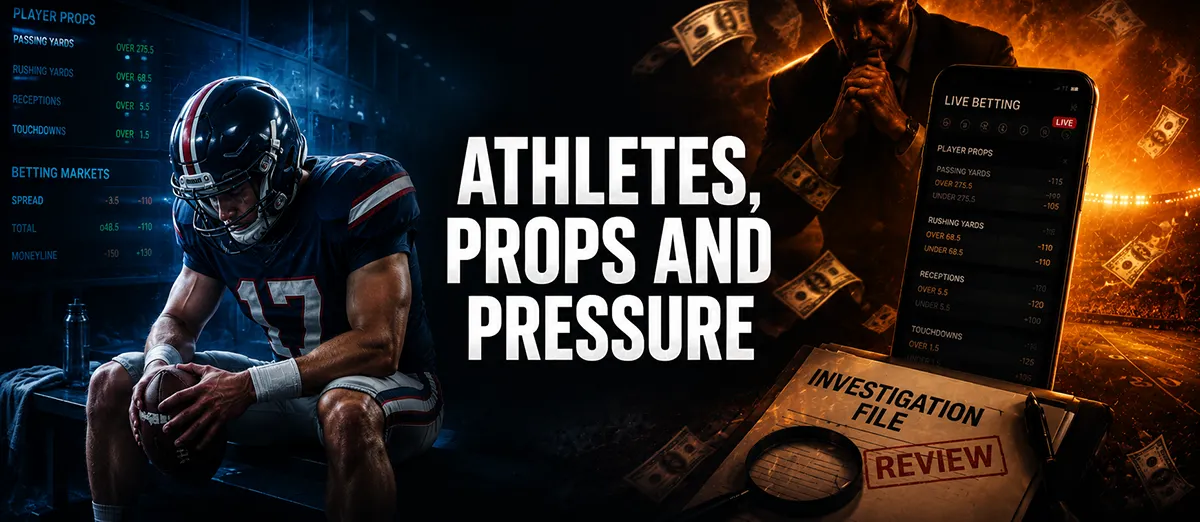
A Texas court has turned one college football gambling case into a test of how much authority sport still has over its own rules. Brendan Sorsby, now at Texas Tech, was cleared by a judge to play the 2026 season despite an NCAA eligibility ban tied to gambling violations, including wagers connected to his own team while he was at Indiana. The ruling did not settle the issue. It made the issue harder for every league, school and regulator watching from the outside.
The public reaction was immediate because betting on your own team sits at the centre of sporting trust. Unlike a paperwork breach or a compliance error, it raises questions about whether competition remains independent from financial interests attached to the outcome.
Athlete betting scandals now land in a very different environment from the one that shaped older sporting corruption cases. Betting is legal in much of the United States, odds move through mobile apps in real time, and individual player markets turn routine team information into something with direct financial value.
The Sorsby case is not only about punishment. It raises a bigger question about sports betting integrity. Modern sport has built commercial relationships around betting while still trying to keep athletes away from the same market.
How the Brendan Sorsby Gambling Case Tested NCAA Betting Bans
Court records show that Sorsby acknowledged thousands of impermissible wagers totaling at least $90,000. Those wagers included 40 bets on Indiana while he was a freshman there, although not on games in which he played.
That detail gives the case its force. The NCAA has adjusted parts of its gambling penalty structure in recent years, but betting on your own team has remained the line that sport cannot afford to blur. Once a player crosses it, every later explanation has to sit beside the damage already done to public confidence.
The NCAA investigation into Sorsby moved quickly from a compliance matter into a national story. What once might have ended inside an NCAA process now sits inside a courtroom, where athlete rights, addiction treatment and eligibility rules collide.
The Brendan Sorsby gambling case then became more than a disciplinary dispute. His legal team argued that he was dealing with gambling addiction and anxiety, and the judge allowed him to return under conditions, including missing the first two games and continuing treatment. That outcome gives Texas Tech a quarterback, but it leaves the NCAA with a larger problem. Its rule survived on paper, but its punishment did not fully survive first contact with the court.
The NCAA’s position on athlete betting remains direct. Players and staff cannot wager on sports that the association sponsors, and team-related betting has always carried the most severe integrity concern. NCAA gambling rules are not unclear here. The problem is whether the association can still enforce them consistently in a legal climate that has repeatedly weakened its authority over athletes.
The NIL era changed the relationship between college athletes and the institutions around them. Players now have more commercial value, stronger legal backing and more reason to challenge decisions that threaten their earning power. Sorsby’s reported Texas Tech deal brought that tension into sharp view because the gambling penalty not only affected his playing status. It also affected the market around him.
His injunction filing against the NCAA shows how gambling enforcement has moved beyond the association’s internal process. Every successful legal challenge makes future discipline harder to treat as final.
The response from other schools showed how quickly one eligibility case can spread. Nebraska and Georgia reportedly told their programs not to schedule Texas Tech, turning Sorsby’s return into a broader statement about trust. College sports gambling has become difficult to separate from conference politics, media value and institutional self-interest. A school can condemn the ruling from a distance, but a conference has to manage the financial and competitive consequences of disciplining one of its own.
Inside the Big 12, the issue becomes more awkward. Texas Tech is not an expendable outsider. It is a valuable member with football relevance, donor strength and media importance. The integrity problem is not simply about writing stricter rules. It is about enforcing those rules against programs that help fund the system.
The backlash after the Brendan Sorsby ruling captured the immediate fallout. The longer-term question is whether college sport can respond with one voice when schools, conferences, courts and regulators all have different incentives.
Why Player Prop Betting Carries the Greatest Integrity Risk
The sports betting market has moved far beyond match winners and point spreads. One of the biggest integrity concerns now sits in markets tied to individual production. Player prop betting creates a sharper risk because one athlete can affect the outcome of a wager without changing the final result of a game. A player can influence rebounds, passing yards, turnovers, minutes, shot attempts or rushing attempts in ways that are harder for fans to see in real time.
That is why prop markets worry college administrators. A full-game point spread usually requires broader team involvement to manipulate with confidence. A prop tied to one player may only require one compromised athlete, one private injury detail or one decision to leave a game early.
NCAA president Charlie Baker has already urged state gambling commissions to remove individual college player props and other high-risk markets. His argument is practical, not cosmetic. The smaller the betting target, the easier it becomes for one person to influence it.
The most dangerous information in sport is often ordinary inside the building. A sore ankle, a minutes restriction, a planned scratch, a late tactical change or a private conversation with a trainer can all move betting expectations.
Inside information betting becomes especially dangerous when paired with individual markets. A bettor who knows that a player will leave early or play limited minutes does not need to predict the whole game. He only needs to beat the public to one piece of availability information.
That risk reaches far beyond the athlete placing the wager. Friends, relatives, former teammates, agents, trainers and social contacts can all sit close enough to useful information. In practice, the information chain may matter as much as the betting account.
Athletes gambling on games remains the most visible offense, but it is not the only route into an integrity breach. A player who never opens a sportsbook account can still damage a competition if private information leaves the locker room and reaches the market.
Point Shaving Returns to College Sports Gambling
Sorsby is the loudest recent college case, but basketball has supplied the clearest warning. Federal prosecutors charged 26 people in an alleged bribery scheme involving men’s basketball, with claims that players were paid to influence betting outcomes.
Point shaving carries an old name, but the modern version looks different. The alleged scheme described by prosecutors involved social media contact, mobile betting markets, NIL pressure and payments that could exceed what some athletes could realistically earn through legitimate college opportunities.
The Department of Justice said the alleged network involved more than 39 players across more than 17 NCAA Division I teams, with attempts to fix more than 29 games. Those figures move the issue beyond isolated bad judgment. They describe a corruption model built around access to young athletes.
Game fixing no longer needs the same physical infrastructure it once did. A fixer does not need to wait outside an arena or rely on a local bookmaker. Contact can happen through a phone, and the betting market can react before coaches, fans, or regulators understand what has shifted.
Terry Rozier and the NBA’s Player-Prop Problem
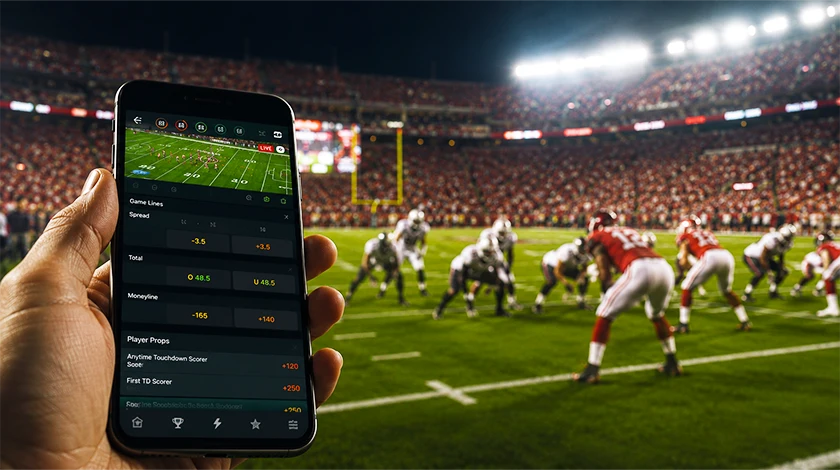
The NBA now faces its own version of this pressure. Federal prosecutors have alleged that Terry Rozier agreed to a $100,000 bribe to manipulate his performance in a March 2023 game by leaving early, which allowed bettors to cash under props tied to his production. The Terry Rozier betting case shows the same risk structure at the professional level. One player’s availability, one short appearance and one prop market can become the center of a federal case.
Federal prosecutors later added bribery and honest services wire fraud conspiracy charges in the Rozier case, while he pleaded not guilty and his defense has challenged the government’s theory.
Rozier’s case now sits inside a wider NBA betting scandals and integrity debate, where player props, suspicious wagers and federal probes have made individual performance markets harder for leagues to ignore.
Problem Gambling in Sports Complicates the Punishment Debate
The public argument often starts with punishment, but Sorsby’s case also forces sport to deal with addiction. Texas Tech has framed part of its response around treatment, monitoring and recovery support rather than simple exile. Problem gambling in sports is difficult because it can be both a health issue and an integrity issue at the same time. A gambling disorder may explain part of the conduct, but it does not remove the damage caused when a player wagers on his own team.
If an athlete breaks a gambling rule because of addiction, the league still has to protect the competition. At the same time, a system that only reacts after suspicious betting patterns appear has already missed its first chance to prevent harm.
Education sessions exist across major college programs. Athletes hear the rule. They sign documents. They sit through compliance meetings. Sorsby still gambled repeatedly, which shows that a rule explained once a year cannot carry the full weight of a market that sits in every pocket.
Sports Wagering Regulation Is Still Catching Up to the Risk
The modern betting market has created a strange triangle. Sportsbooks take wagers, leagues protect competition, and state regulators decide which products can legally exist. Sports wagering regulation is more important than ever as league policy alone cannot remove high-risk betting markets. The NCAA can ask states to ban individual college props, but gambling commissions and lawmakers control the product rules in each jurisdiction.
That patchwork leaves college sport exposed. A player may compete under one national NCAA rulebook while betting markets around that player operate under different state rules. A wager that one regulator blocks may remain available somewhere else.
NCAA betting bans can still send a strong message, but the Sorsby case shows that punishment after the fact is not enough. Enforcement now has to survive legal challenge, public scrutiny and the commercial pressure created by NIL-era college sport.
One of the most revealing details in the Sorsby case is how the issue surfaced. The NCAA received a tip connected to sportsbook activity. Betting integrity risks are now often detected by the same industry that profits from betting volume. That does not make sportsbook monitoring useless. It does mean sport depends on outside commercial actors to see patterns its own systems may miss.
Leagues and schools need those data relationships, but dependence has limits. A sportsbook can flag unusual activity. It cannot decide what the competitive punishment should be, and it cannot solve the conflict between addiction treatment, athlete rights and public trust.
The problem grows sharper when leagues and schools also benefit from betting partnerships, advertising and media coverage built around odds. Sport cannot pretend betting sits outside the stadium anymore. It is in the broadcast, the app, the sponsorship market and the daily conversation around games.
Legal Betting Demands a Stronger Sports Betting Integrity Model
The pattern runs through betting scandals that shook sport across generations, from the Black Sox to later match-fixing cases, but today’s risk moves faster through mobile apps, prop markets and private player data.
Sports betting scandal stories now require a different frame because the market around sports has changed. The issue is no longer only a rogue player, a fixer or a suspicious wager. It is a system where legal products, instant access and private player data sit close to athletes every day.
That does not excuse misconduct. It does make simple moral outrage too thin. The sports bodies responsible for integrity helped normalize betting as part of the entertainment product, and now they have to build rules strict enough for the environment they helped create.
The Sorsby ruling may change on appeal, and the Rozier case still has to move through court. The integrity question will remain either way. Modern sport needs harsher penalties for the clearest breaches, better monitoring before suspicious patterns become scandals, and education that treats gambling risk as a live part of athlete welfare rather than a compliance lecture.
The old model treated betting as an outside threat trying to enter the sport. That model no longer fits. Betting is already inside the system, and every weak point now matters.