MLB Clears Way for Banned Legends’ Hall of Fame Bid

Expertise: US Gaming, European Gaming Industry, iGaming
LISTEN TO THIS ARTICLE:
The move, announced on Tuesday (13th May), potentially paves the way for their induction into the Baseball Hall of Fame—ending decades of exclusion due to betting scandals that have haunted their legacies. The reinstatement is largely symbolic, as it applies only to those who have passed away. Manfred clarified in his letter that permanent ineligibility ends upon death.
A person no longer with us cannot represent a threat to the integrity of the game.
While this decision doesn’t guarantee Hall of Fame enshrinement, it allows players like Rose and Jackson to be considered by the Hall’s Historical Overview Committee for potential induction in 2028.
Background and key events leading to the reinstatement:
What Rose and Jackson’s Legacies Mean Today
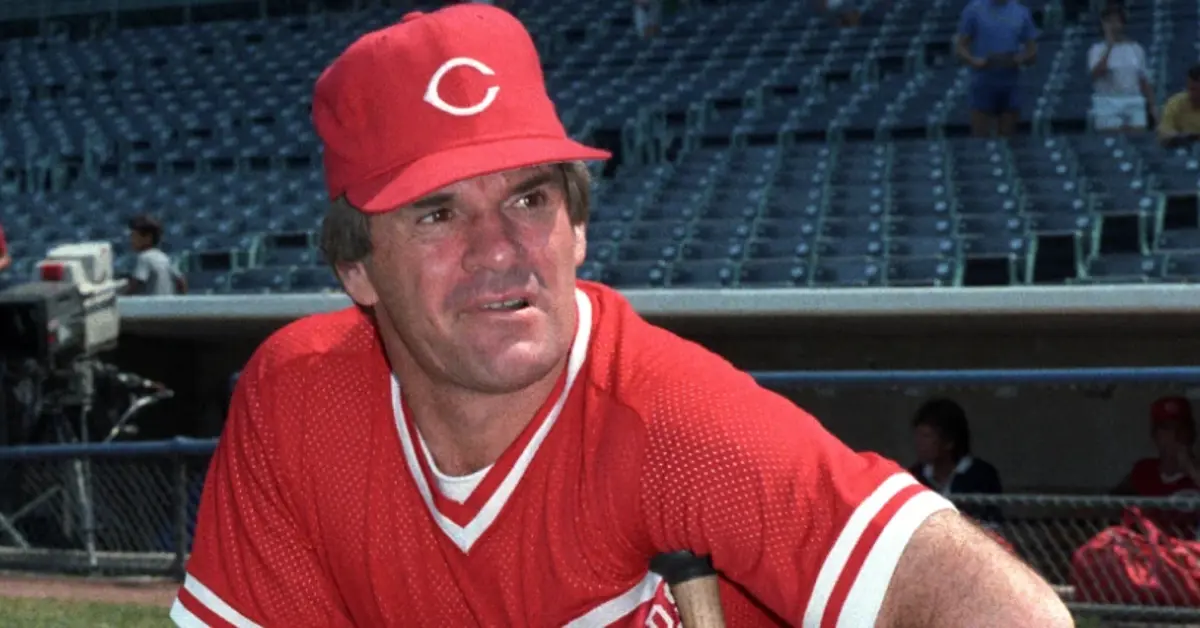
For supporters, the decision marks overdue justice. Rose, baseball’s all-time hits leader, was a legendary competitor who amassed 4,256 hits, three World Series titles, and an MVP award. Jackson, who batted .375 and hit the only home run in the 1919 World Series despite accepting gamblers’ money, has long been viewed by fans as a tragic figure in baseball history. For decades, both players’ achievements were overshadowed by their involvement in gambling controversies.
However, the ruling has drawn sharp criticism from those who argue that nothing has changed about Rose’s violations. MLB Rule 21(d), established in 1921, clearly states that gambling on baseball by players or personnel warrants permanent ineligibility. Critics argue that Rose knowingly violated this rule repeatedly—first denying the allegations, then admitting to betting on games only when it became necessary for personal gain.
Moreover, Rose’s post-playing life did little to rebuild trust. He continued to gamble legally on baseball, refused to meet the standards for reinstatement laid out by previous commissioners, and was embroiled in a statutory rape allegation, further tarnishing his image. Critics maintain that honoring him now, even posthumously, sends the wrong message about integrity in professional sports.



The Hall of Fame Dilemma
While Rose was never erased from baseball history—his records are on display in Cooperstown—his potential induction would mark a formal honor rather than mere acknowledgment. For some, that’s a necessary correction. For others, it’s an unearned reward for someone who violated the game’s most sacred rule.
As Hall of Fame discussions approach in 2027, the debate will likely intensify. Whether these legends deserve posthumous honor or continued exclusion will remain one of the most divisive questions in baseball history.
RELATED TOPICS: Regulation