Brendan Sorsby Will Not Play for Texas Tech After Gambling Eligibility Fight

Expertise: US Gaming, European Gaming Industry, iGaming
LISTEN TO THIS ARTICLE:
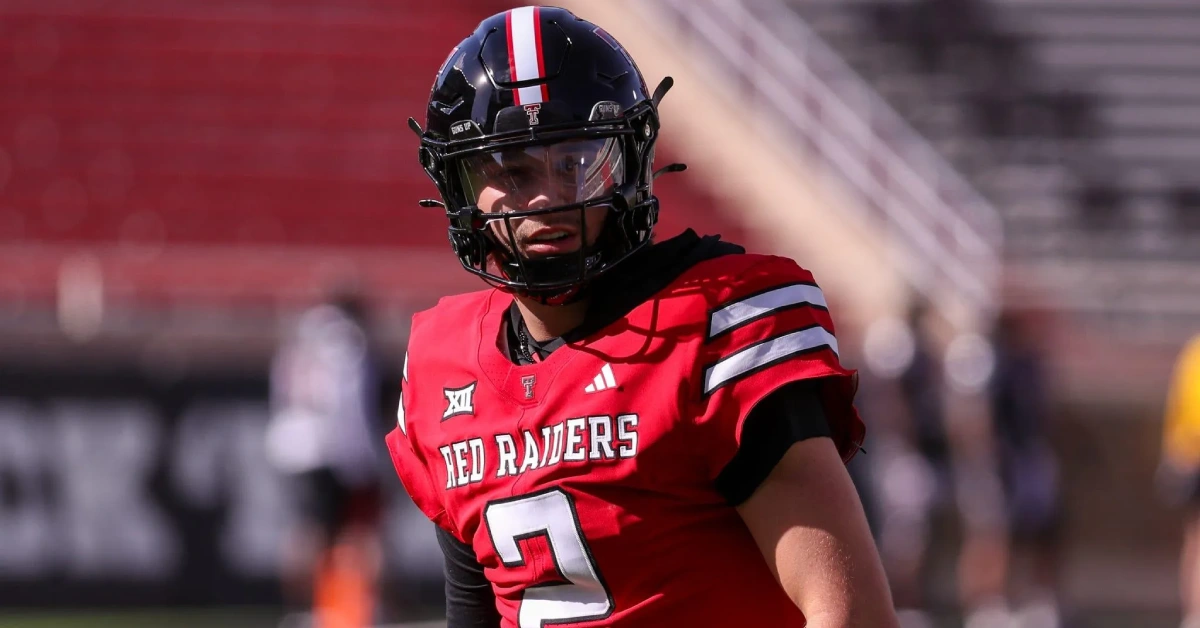
LUBBOCK, Texas – Brendan Sorsby will not play for Texas Tech this season and instead plans to enter the NFL Supplemental Draft, ending one of the most closely watched gambling-related eligibility disputes in college sports.
The decision brings an abrupt end to a legal battle that had placed Texas Tech, the NCAA, the Big 12 Conference and multiple state officials at the center of a growing debate over gambling violations, athlete eligibility and conference authority.
Sorsby had been expected to lead the defending Big 12 champions after transferring to Texas Tech in January. Instead, he will pursue a professional football opportunity before a June 22 deadline to enter the NFL Supplemental Draft.
Legal Fight Ends Before Season Begins
Texas Tech Regent Chair Cody Campbell said the decision was reached jointly with Sorsby and his family after considering the timeline of several ongoing legal disputes.
Campbell said there was no practical way to resolve the remaining court challenges and guarantee Sorsby’s eligibility before the NFL Supplemental Draft deadline. He added that Texas Tech would continue supporting the quarterback’s recovery and would not seek repayment of NIL compensation already provided to him.
The move comes only days after Sorsby won an injunction in his NCAA gambling case, temporarily preventing the NCAA from enforcing a ruling that had declared him ineligible.
The NCAA has appealed that decision and sought an accelerated review before the start of Texas Tech’s season.
Gambling Case Sparked National Debate
Sorsby acknowledged placing thousands of sports bets worth at least $90,000 while in college. Court filings showed the wagers included bets on college and professional sports, as well as at least 40 bets involving Indiana while he was a freshman there.
The case generated significant attention because NCAA rules permit severe penalties for athletes who wager on their own teams. The temporary injunction issued by a Texas judge raised broader questions about the balance between NCAA authority, state courts and athlete rights.
Texas Tech maintained that Sorsby had been diagnosed with gambling disorder and had completed a month-long residential treatment program in Arizona after the university learned of the NCAA investigation.
In a statement, Sorsby thanked his family, teammates, coaches and supporters while saying he remained focused on his future both on and off the field.

Big 12 and NCAA Challenges Remain
Although Sorsby will not play this season, legal disputes connected to the case are not entirely over. The NCAA has continued its appeal of the injunction, arguing that the ruling undermines the organization’s ability to enforce gambling rules and protect the integrity of college athletics.
At the same time, the Big 12 filed a federal lawsuit seeking confirmation that it has authority to sanction member schools under conference bylaws. The filing followed a dispute involving Texas Attorney General Ken Paxton, who warned the conference against taking action against Texas Tech for supporting Sorsby.
The controversy became one of the most significant gambling-related cases in recent college sports history and helped fuel a wider college sports gambling backlash over athlete betting, integrity concerns and the future of NCAA enforcement.
With Sorsby now headed toward the NFL Supplemental Draft, the immediate question of whether he would play for Texas Tech has been resolved. The broader legal and regulatory questions raised by the case, however, are likely to remain part of the college sports gambling debate for some time.
RELATED TOPICS: Regulation