Szczesny Pleas for Compassion over Punishment in Helping Gambling Addicts

Expertise: US Gaming, European Gaming Industry, iGaming
LISTEN TO THIS ARTICLE:
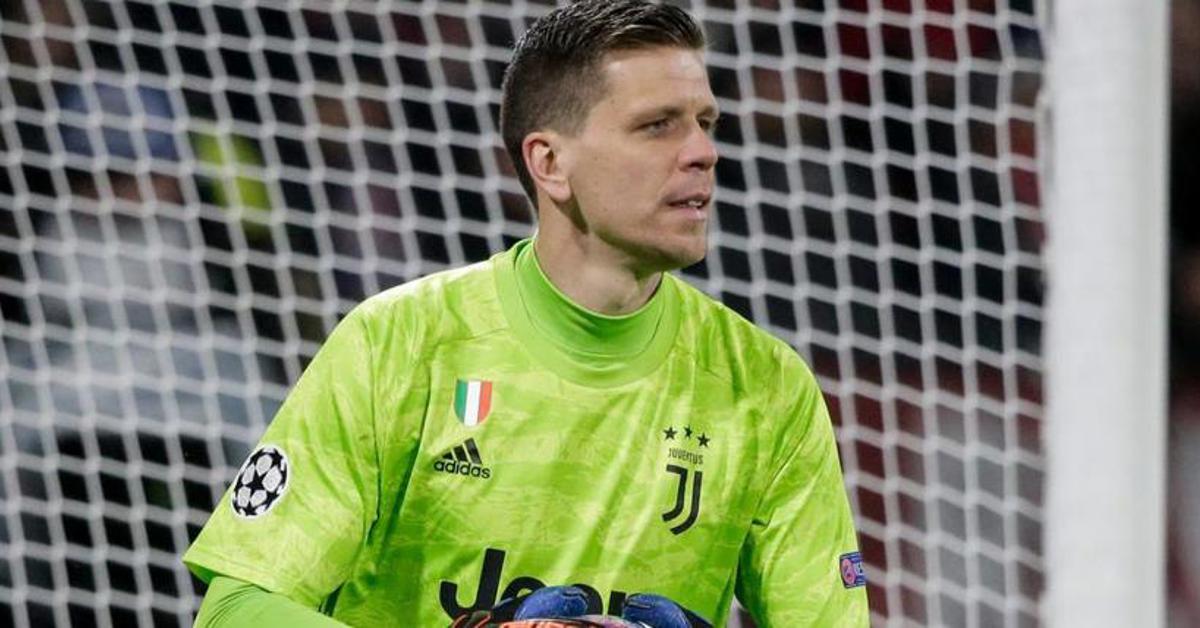
In a recent statement, Juventus goalkeeper Wojciech Szczesny highlighted the importance of prioritizing help and treatment for gambling addicts within the world of football, emphasizing compassion and understanding over harsh punishment.
Szczesny’s comments come in the wake of his teammate Nicolò Fagioli’s seven-month ban for illegal gambling, sparking a conversation about the best approach to address such issues in the sport.
Szczesny’s Call for Compassion
Szczesny acknowledged Fagioli’s mistake and the necessity of consequences for violating the rules. However, he also stressed the need for a more holistic approach that centers on assisting players who are grappling with gambling addiction rather than solely focusing on punitive measures.
As the rules stand now, Nicolò knew the rules, he knew the consequences, and it is right that he is suspended. But in the future, I feel we need to make help and treatment a priority and not just punishment.
This perspective sheds light on a critical aspect of the larger issue of gambling addiction in the world of professional sports. While enforcing rules and imposing suspensions is essential to maintain the integrity of the game, it is equally crucial to recognize that athletes, like any individuals, can fall victim to addiction. Therefore, a more compassionate and rehabilitative approach is necessary.
The notion of addressing gambling addiction within football with empathy and support aligns with a broader trend in the sports world. Clubs and organizations are increasingly recognizing the importance of mental health and well-being among athletes. Gambling addiction, like other forms of addiction, should be treated as a medical issue rather than a moral failing.
 Responsible Gambling
1,777 Youth Gambling Cases Reported During South Korea Intervention Program
Sep 08, 2026 Responsible Gambling
US Regulators Expand Player Protection Efforts for Responsible Gaming Education Month
Sep 02, 2026 Responsible Gambling
Pennsylvania Launches First Dedicated Case Management Program for Problem Gambling
Aug 28, 2026Athletes’ Fight against Gambling Addiction
Providing help and treatment for those struggling with gambling addiction is a vital step in the right direction. This can involve establishing support systems within clubs, providing access to professional counseling and therapy, and raising awareness about the risks associated with gambling. Furthermore, players should feel safe coming forward to seek help without fear of stigmatization or career-ending consequences.
Related: Football Legend Peter Shilton Discuss Fight against Gambling Addiction
Szczesny’s call for a more compassionate approach is not limited to his colleague Fagioli. It serves as a reminder that addiction knows no boundaries and can affect anyone, regardless of their profession or social status. By prioritizing assistance and rehabilitation over punishment, football can set an example for other sports and industries to follow.
In conclusion, Wojciech Szczesny’s plea to prioritize help and treatment for gambling addicts within football is a crucial step toward creating a more compassionate and supportive environment for athletes. While consequences for rule violations are essential, it is equally important to address the underlying issue of addiction. By doing so, football can lead the way in promoting mental health awareness and providing the necessary resources for those in need.
RELATED TOPICS: Responsible Gambling
Latest News
 Business
Bally’s Defends Chicago Casino Financing as Aldermen Challenge Construction Delays
Sep 10, 2026
 Prediction Market News
