Virginia Gov. Youngkin Vetoes Skill Games Bill

Expertise: Global Gaming, Asia Gaming, US Gaming, Sports Gambling
LISTEN TO THIS ARTICLE:
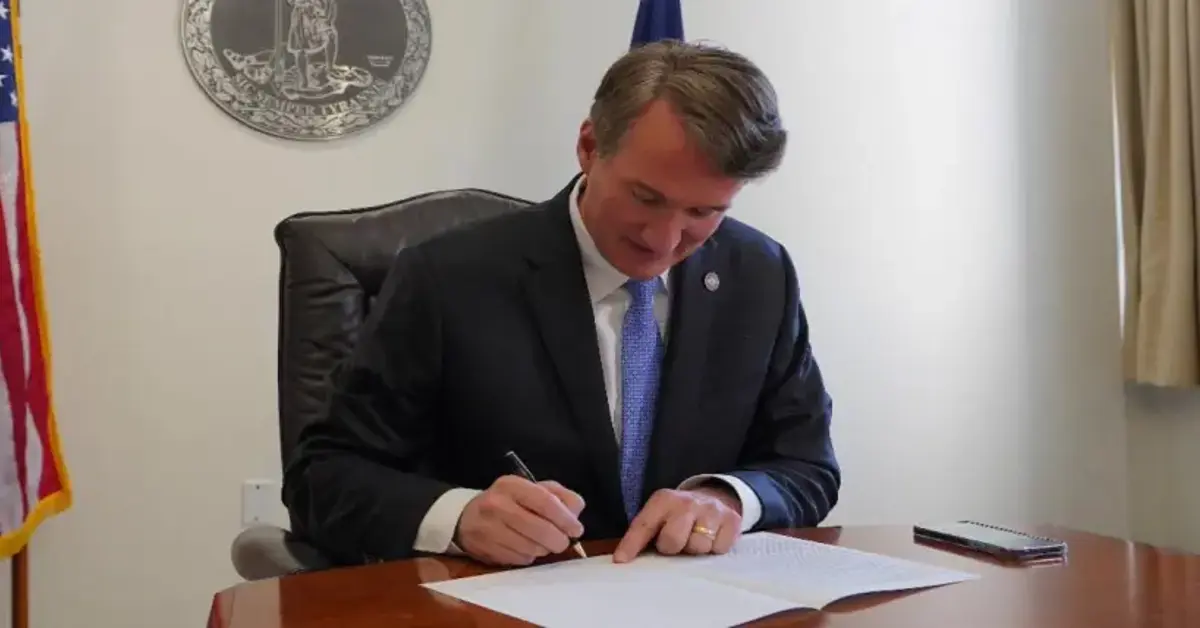
Gov. Youngkin’s decision to veto this bill came after proposed amendments were rejected by the legislature. This legislative action has sparked a series of reactions and consequences across the state.
“I sent over a package of amendments which addressed my many concerns with the bill. While it is regrettable that my recommendations were not adopted, I remain open to working with the General Assembly going forward on this subject.”
However, in his statement, he expressed a willingness to continue working with the Democratic-controlled General Assembly on the issues but emphasized that the measures were “not ready to become law.”
The veto on the skill games bill comes despite protests from convenience store owners across Virginia. In response to what they perceive as unfair treatment and to pressure the state government to reconsider the legislation, many stores have ceased selling Virginia Lottery products. This move is significant as lottery sales are a substantial source of revenue for the state.
The protest aims to demonstrate the economic impact of the governor’s amendments on local businesses and the potential loss of income for the state’s lottery fund. The Virginia Merchants and Amusement Coalition reported that nearly 500 businesses participated in the shutdown, highlighting the widespread discontent among small business owners regarding the skill games legislation.



One More Chance
Following the veto, the next steps involve the Virginia General Assembly, which will reconvene to address Gov. Youngkin’s amendments and vetoes. The legislative body will need a two-thirds majority to override any vetoes, which is a high bar to meet. If the vetoes are sustained, it could lead to further negotiations and potential revisions of the legislation.
The General Assembly’s actions will be closely watched by all stakeholders, including the convenience store owners who have been protesting, as they will determine the future of skill games and related regulations in Virginia. The outcome of these deliberations will have lasting implications for the state’s legislative process and the balance of power between the governor and the General Assembly.
Gov. Youngkin’s vetoes, particularly regarding the skill games bill, have set the stage for a complex political and economic dialogue in Virginia. The convenience stores’ protest and the subsequent legislative response will shape the regulatory landscape for skill games and could influence broader discussions on gambling and state revenue generation.
RELATED TOPICS: Gambling Business